Portugal
Portugal, officially the Portuguese Republic, is a Southern European state founded in 1143, covering a total area of 92,212 km². Mainland Portugal is located at the southwestern edge of the Iberian Peninsula, bordering Spain to the north and east, and the Atlantic Ocean to the west and south. Portuguese territory also includes two autonomous regions: the archipelagos of Madeira and the Azores, located in the Atlantic Ocean. The Madeira archipelago consists of the islands of Madeira, Porto Santo, Desertas, and Selvagens, while the Azores archipelago is made up of nine islands and several islets: Santa Maria, São Miguel, Terceira, Graciosa, São Jorge, Pico, Faial, Flores, and Corvo.
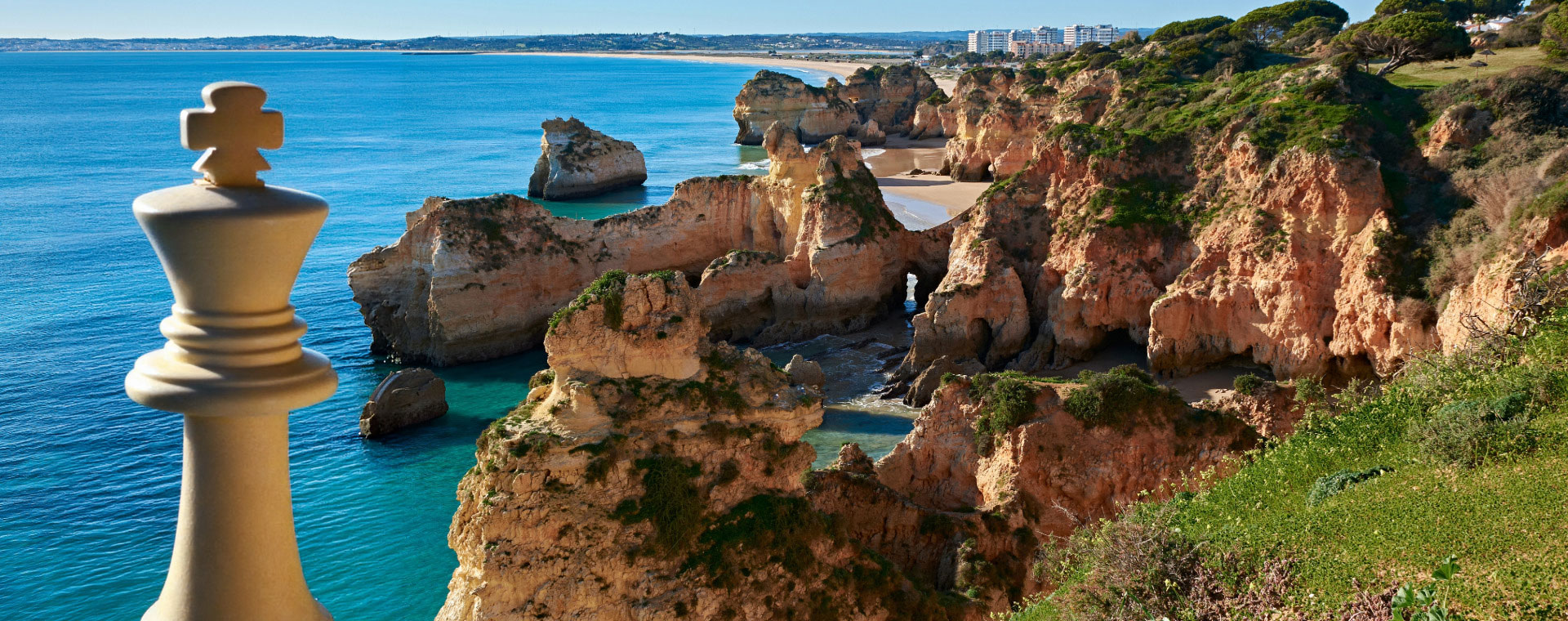
Portugal is globally known for its rich history and cultural heritage (17 UNESCO sites), mild climate, stunning beaches in the Algarve, and world-class surfing coastline. It stands out for fado music, gastronomy (codfish dishes and custard tarts), the production of Port wine and cork, and for being one of the safest and most welcoming countries in the world.
Portugal blends tradition with modernity, attracting visitors with a wide variety of experiences, from the plains of Alentejo to the mountains of Serra da Estrela.
Climate
Portugal’s climate is characterized by mild winters and warm summers, although it varies by region. The north experiences higher rainfall and lower temperatures, while the interior records the greatest temperature ranges.
Population
The resident population in Portugal in 2024 was estimated at 10,749,635 inhabitants, marking the sixth consecutive year of growth. This increase is mainly driven by positive migration, which offsets the negative natural balance (more deaths than births), in a country that continues to age demographically, with a median age of 47.3 years in 2024.